The table
Where to eat in Kadıköy
This is where Istanbul eats well without performing for anyone. No menu in four languages taped to the door, no host waving you in. Here is how to do it right, sorted by the kind of night you want.
Cross over on the ferry from the European side and you can feel the food change before you have seen a single plate. Kadıköy cooks for the people who live here, which means the standard is high and the patience for tourists is low. That sounds harsh. It is actually the best thing about it. Nobody rounds up the bill because you look lost, and nobody is microwaving a "traditional Turkish platter" for a coach group.
I have broken this down by occasion, because eating here is not one experience. A long meyhane dinner with rakı and a wall of meze is a completely different evening from a paper plate of mussels eaten standing up at midnight. Both are correct. Here is how to get each one right.
The meyhane — slow it down or don't bother
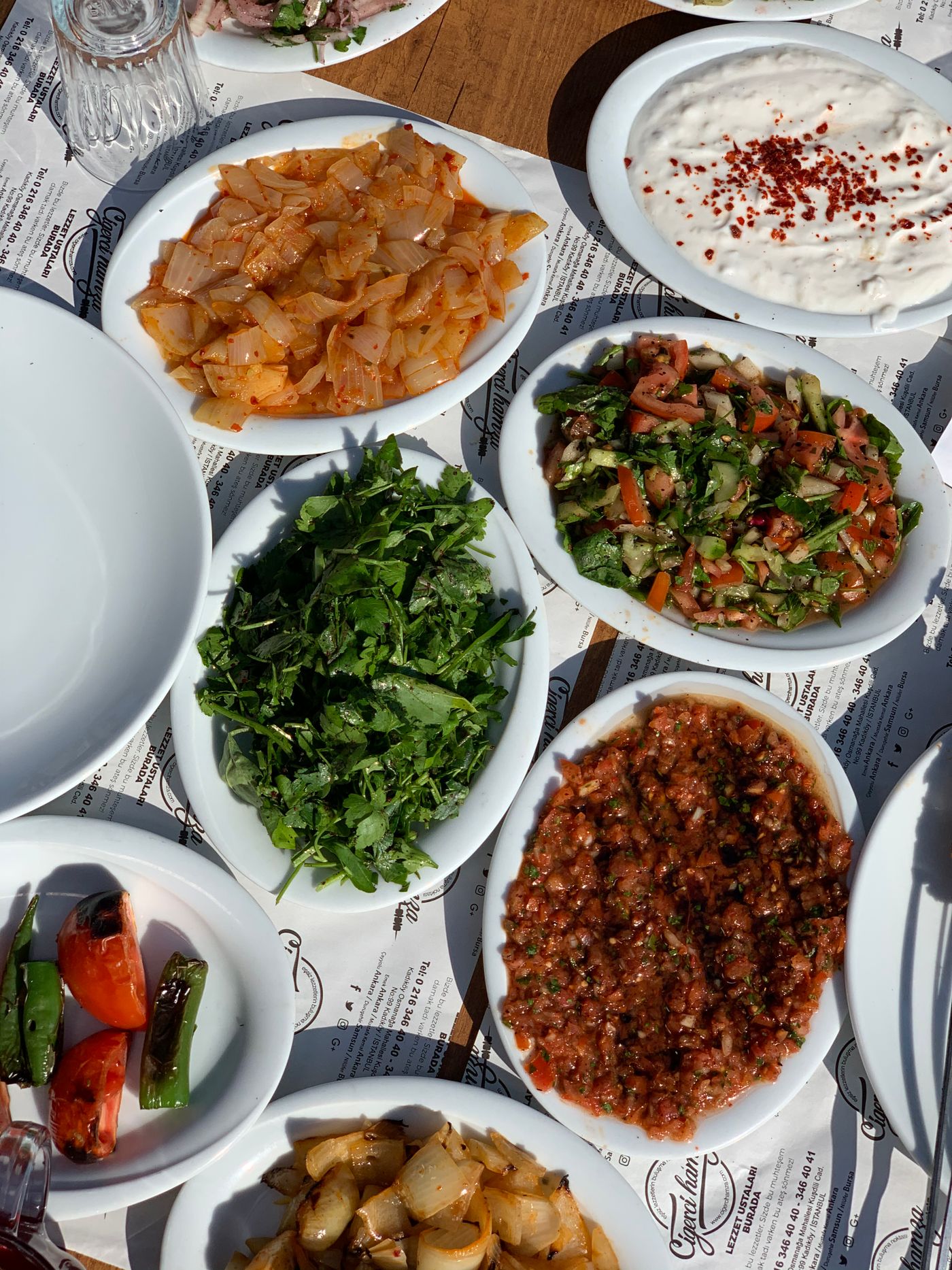
A meyhane is a ritual, not a meal. You sit, ideally with at least three other people, and a waiter brings a tray of cold meze straight to the table so you can point. Then comes rakı, the aniseed spirit that turns milky white when you add water and ice, which is the entire point of the performance. Hot meze follow — fried things, calamari, börek. Only at the end, when you are already a couple of hours in, do you order grilled fish. The food is almost the supporting act; the pacing is the meal.
Etiquette matters more than people expect. You sip rakı, you never knock it back. Keep a glass of water alongside it, because locals drink as much water as rakı, which is how anyone survives the night. The meze are shared, so you reach across the table, and you leave a little of everything rather than scraping plates clean. If a band starts up with fasıl, that looping, slightly mournful live music with a violin and an oud, you are in for the long version, which is the good version. Do not rush the waiter. Rushing is the one thing that marks you out.
How to choose the meze. When the cold tray arrives, look before you point. You want haydari (thick strained yogurt with garlic), acılı ezme (the chopped-up red, hot and a little sweet), something with sea beans, and at least one stuffed thing. Skip the gloopy mayonnaise-bound salads. A good meyhane makes these fresh in the morning, and you can tell.
A word on the practical side. A proper meyhane dinner is not cheap by Istanbul standards once the rakı is flowing; it adds up faster than the food does. On a Friday or Saturday the good places around the fish market fill by eight, so a reservation genuinely helps, and most take a phone booking and nothing fancier. Tipping is simple: round up or leave roughly ten percent in cash on the table, more if the night ran long. If you only do one sit-down meal here, this is the one.
Anatolian home cooking, and the one place I send everyone
If the meyhane is about the evening, this is about the food itself. Turkey is enormous and its regional cooking barely overlaps from one province to the next, and most of that variety never makes it onto a standard Istanbul menu. The exception, and the reason a lot of people cross the water in the first place, is Çiya Sofrası, the institution run by chef Musa Dağdeviren in the market lanes.
I am wary of calling any single restaurant unmissable, because that is usually how a place gets ruined. Çiya earns it. Dağdeviren spent years tracking down regional dishes from across Anatolia — sour stews, herb dishes nobody else cooks, things you will not find a second time in the city — and the menu rotates with the season. You walk past a counter of prepared dishes, point at what looks good, and it is weighed and brought over. No rakı theatre, no fuss. Just food that tastes like somebody's grandmother in a village six hundred kilometres away made it, and the place is still as good as its reputation, which almost never happens.
The meyhane is for the night you want to lose. Çiya is for the afternoon you want to remember a specific plate of food for years afterward. Different jobs entirely.
Go at lunch if you can. It is calmer, the counter is fuller, and you are not competing with the dinner rush. Point at three or four things you do not recognise. That is the whole strategy.
Street food, and the midnight drag
Now the other end of the spectrum, which is just as much a part of how Kadıköy eats. The streets around the market do a roaring trade in food you eat on your feet, and it gets better, not worse, the later it gets.
- Kokoreç — seasoned lamb intestines grilled on a spit, chopped fine with oregano and chilli, stuffed into bread. It sounds confrontational and it is genuinely delicious. This is the late-night Kadıköy classic.
- Midye dolma — mussels stuffed with spiced rice, sold from trays by the dozen. You squeeze lemon over each one and eat it straight from the shell. Count your shells; that is how the seller tallies the bill.
- Tantuni and dürüm — thin-cut spiced meat cooked fast on a flat iron and rolled in a thin wrap. Cheap, fast, exactly right at one in the morning.
- Balık-ekmek — a fish sandwich, grilled fillet in bread with onion and a squeeze of lemon. More of a daytime thing down by the water, but always around.
Understand that this is not a fallback for when the restaurants are full. People who could easily afford a sit-down dinner eat kokoreç after a night on Kadife Sokak because it is what you do. The drag stays busy well past midnight, far later than most of Istanbul, and the queues are the menu — join the longest one.
Fish — the market, and how to read it
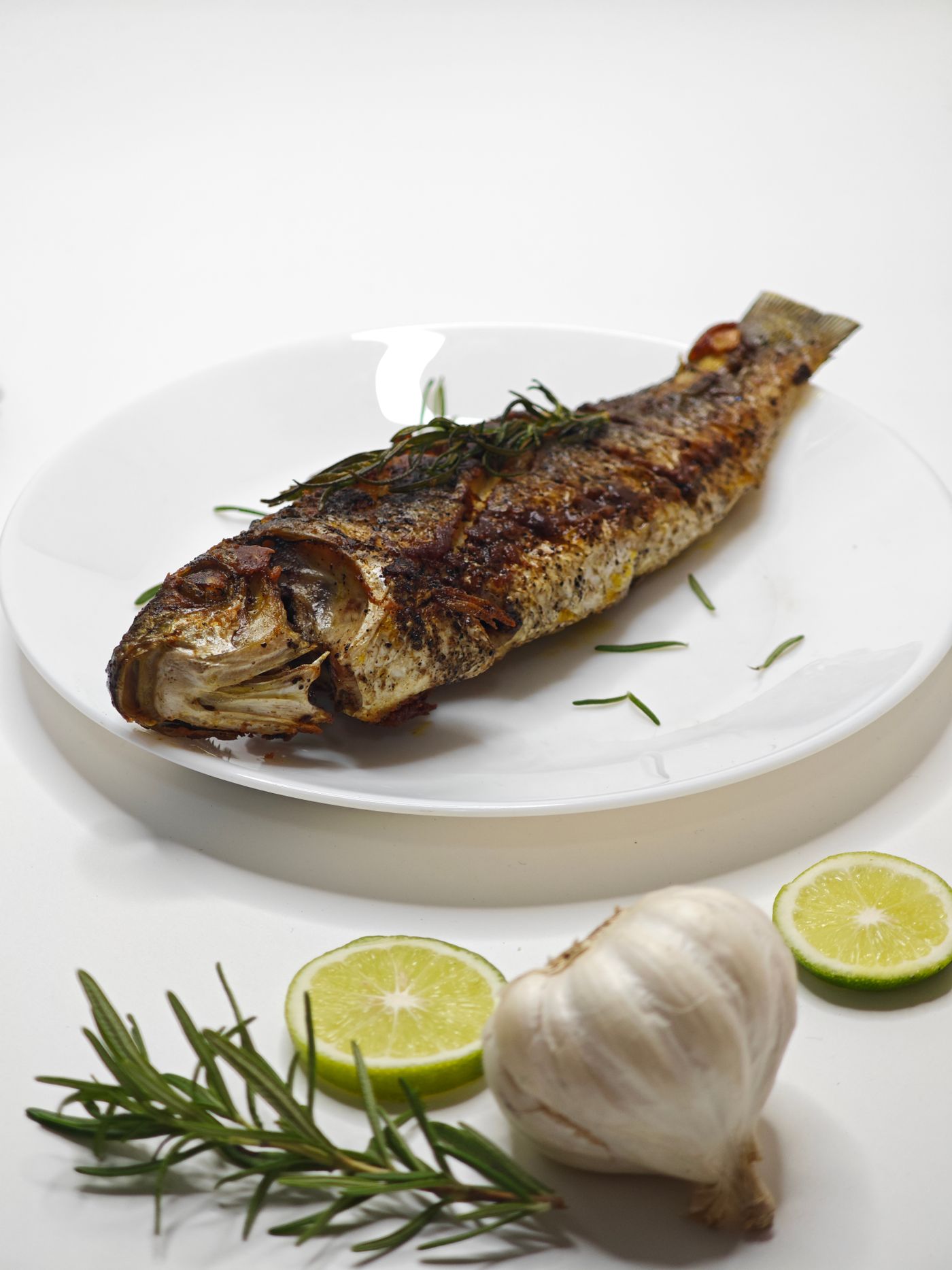
Kadıköy has a real fish market, not a few token crates for atmosphere. The fishmongers lay out the day's catch on ice, and around them sit the balık restaurants that will cook whatever you choose, or whatever the owner steers you toward, which is usually the better call. Ask what is fresh today and let them answer honestly. Sea bass and bream are the safe regulars; in season you might get bluefish (lüfer), which Istanbul takes very seriously and which is worth the premium when it is running.
The trick with fish is the same as everything else here. Eat where the locals eat, look at the ice before you sit, ignore anyone working the pavement. A fishmonger busy with neighbourhood shoppers is selling fresh fish, because it does not sit around; a quiet display under a heat lamp is telling you something. You do not need the Turkish names. Point at the fish you want on the ice, and ask the price per kilo before they weigh it, which a fair place tells you straight.
Avoiding the traps, in one line: go where it is busy with locals, check the meze counter or the fish on ice before you sit, skip anyone reciting the menu at you on the street, and treat an English-only menu propped outside the door as a quiet warning rather than a convenience.
So where do you actually go
One evening: a meyhane near the fish market, booked ahead on a weekend, and take your time. An afternoon, food over atmosphere: Çiya, at lunch, pointing at things you cannot name. Late, and a few drinks in: kokoreç or stuffed mussels on the way home, standing up, no plates.
None of this requires a list of "best" addresses, and I am deliberately not handing you one beyond the obvious. A place that was great in spring goes downhill by autumn, and the only reliable filter is the one the locals use: eat where they eat, trust a full room, walk past the hard sell. Do that and Kadıköy feeds you better than almost anywhere else in the city, for less. The rakı, the meze that keep coming, the slow argument about whether to order the fish yet: that table is why a lot of us never bother crossing back over.
For the curious: rakı and the meyhane culture around it have a long, well-documented history, and the background on rakı and on the wider world of meze is genuinely interesting if you want to know what you are drinking and eating before you sit down to a tableful of it.